
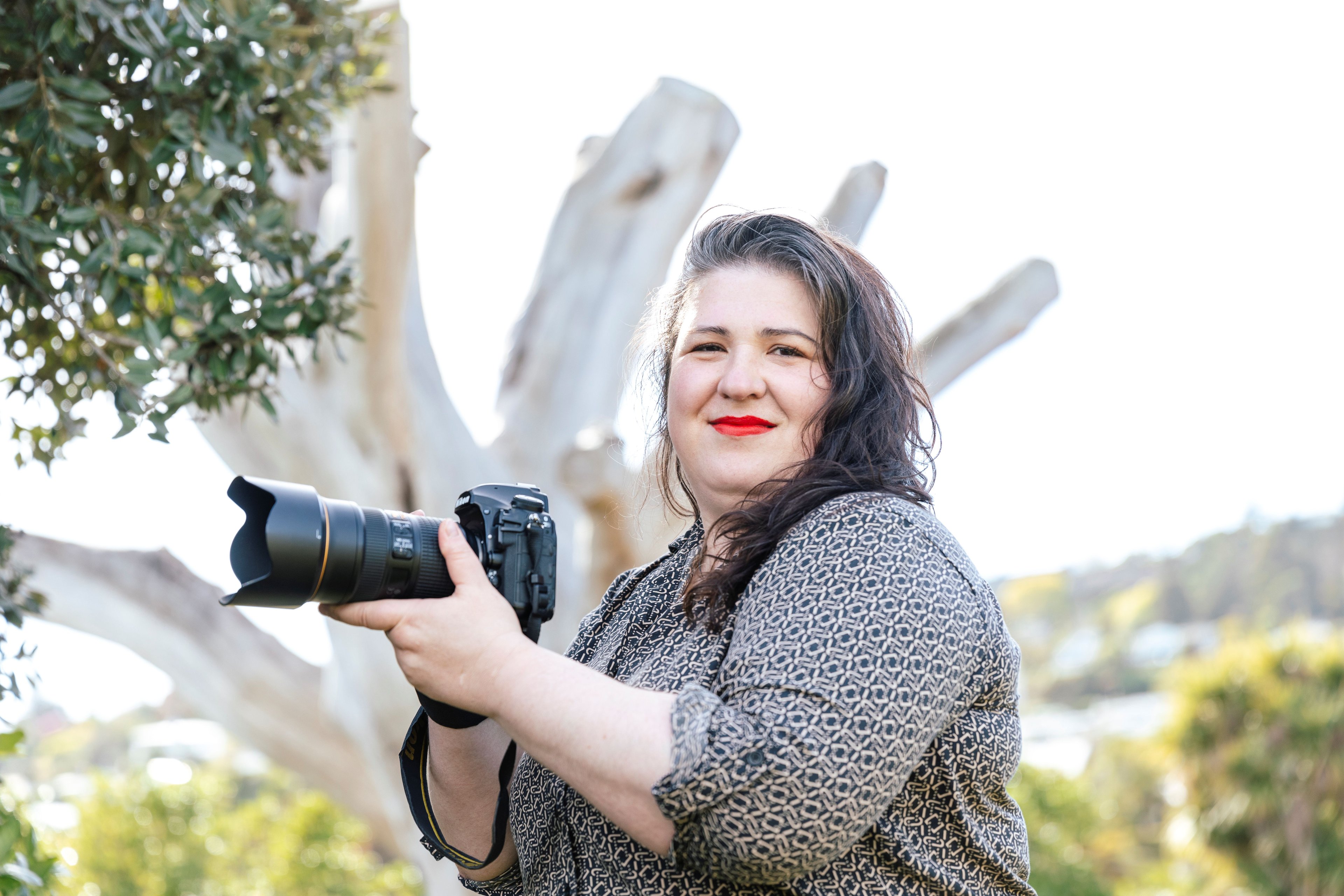
Tatsiana Chypsanava turns a lifetime of close family ties and a love of nature into photography that resonates worldwide, winning prizes and telling the stories of Te Urewera Tūhoe.
Words: Catherine Milford
Tatsiana Chypsanava is having a busy year. We meet at the Suter Café where the Nelson-based award-winning photojournalist is taking a quick 30-minute break; she’s just returned home from Auckland and is working on a Cultural Conversations project before heading to Wellington, where her work has been exhibited as part of the 2025 World Press Photo Awards.
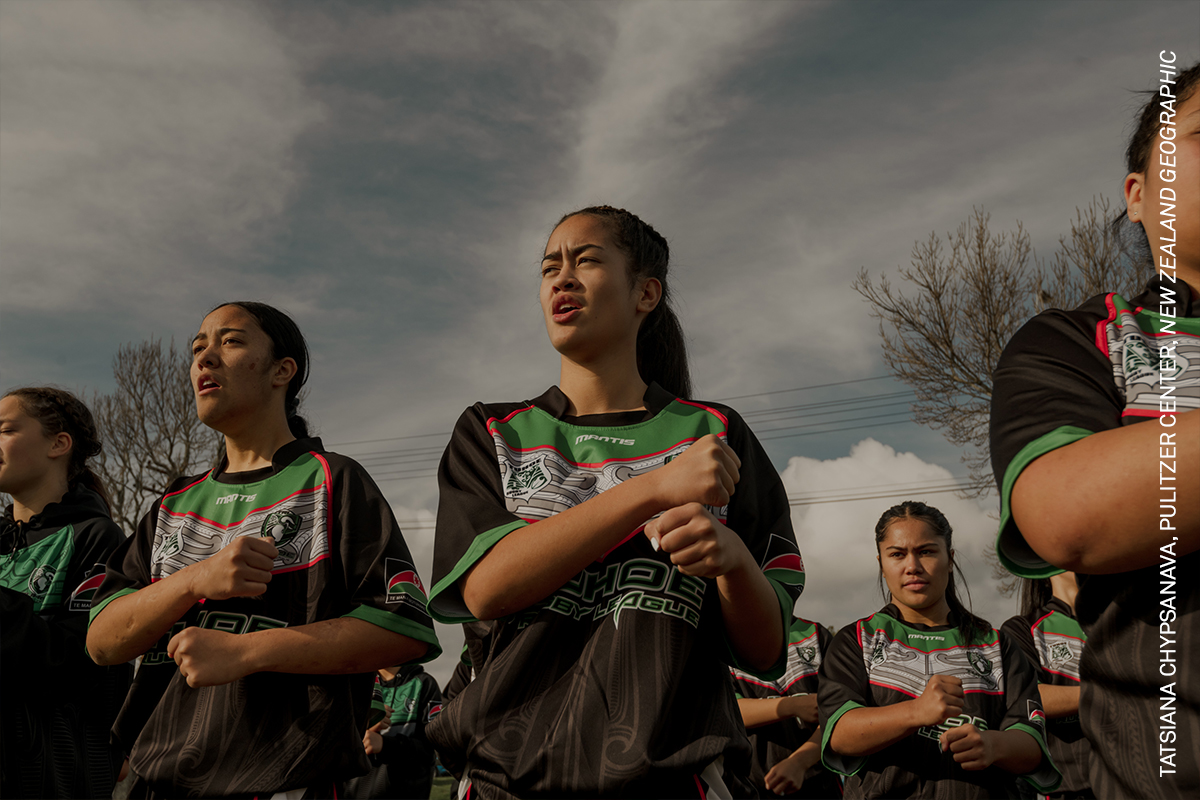
Earlier this year, she won the Asia-Pacific and Oceania Long Term Projects Prize in the prestigious competition for her photographs of the people living in Te Urewera Tūhoe’s ancestral land – a topic she feels very connected to due to her own indigenous upbringing.
Born in Belarus, Tatsiana grew up watching her dad hunting and fishing in the wilderness, following in the traditions of her indigenous ancestors, the Komi peoples of the Siberian North West Ural. “My mother passed away when I was 10, so I spent most of my childhood with my father,” she explains. “He came from northern Russia, and his parents and siblings had always lived off the land, so we were very aligned with nature.”
That connection to the natural world, and to family, is in Tatsiana’s blood. She spent a lot of time with her Belarusian grandmother (her mum’s mother), and with her wider family, which often included cousins and friends’ kids – something she says helps her understand the importance of whānau to the Māori community. But it was with her father that Tatsiana really learned how to see the land and its inhabitants.
“Both my parents were water transport engineers; my father was the head engineer designing and building the boats that transported goods along the river to the Black Sea – an ancient trade route from the Varangians to the Greeks that’s not passable today due to war, so he knew the forests and river really well. He’d take me with him into the wilderness, we’d get up at about 4am and head off into the forest, and he’d tell me stories of his time in the Arctic, and about protecting the Soviet border while we fished. He’d talk about animals as equals – I remember him telling me a story about a bear the way other people would talk about humans. We were very close – Dad would say I took after him.”
Growing up in a communist country, a career in photography was never on the cards for Tatsiana; indeed, the idea of a woman behind a camera simply wasn’t an option for young girls. “We were moulded to be Soviet identities – we’d speak Russian, and study Russian culture and literature. I only knew about a world outside the Soviet Union through books; we were told about the colonial capitalist West, but not about the real history of our country.
“There were no female photography role models in Belarus; those jobs were only done by men,” she says. “My father and brother would take photos for family albums, but it never occurred to me that I could do it too until I left the country. I didn’t grow up looking at photographs in National Geographic; I grew up seeing it all through family albums, that were like a photography documentary of my dad’s family life in the Arctic.”
Aged 21, with a degree in economics under her belt, Tatsiana left Belarus for political reasons, and moved to London. “Belarus has had a democratically elected dictator in power since 1994. He suppressed the freedom of speech, and I never had the opportunity to participate in free elections there. I realised that the country was closing down, so I took the opportunity to leave, and I’m really glad I did as it’s very difficult to do that now,” she says.
While she was in London, Tatsiana was gifted a camera by a friend – and it changed her life. “Something just clicked,” she says. “It was a simple SLR film camera, but I really caught the bug.” Three years later, that camera came with her when she travelled to Brazil, and by the time she moved to New Zealand in 2008 with her then-partner and one-year-old daughter, she was hooked on telling stories through photography.
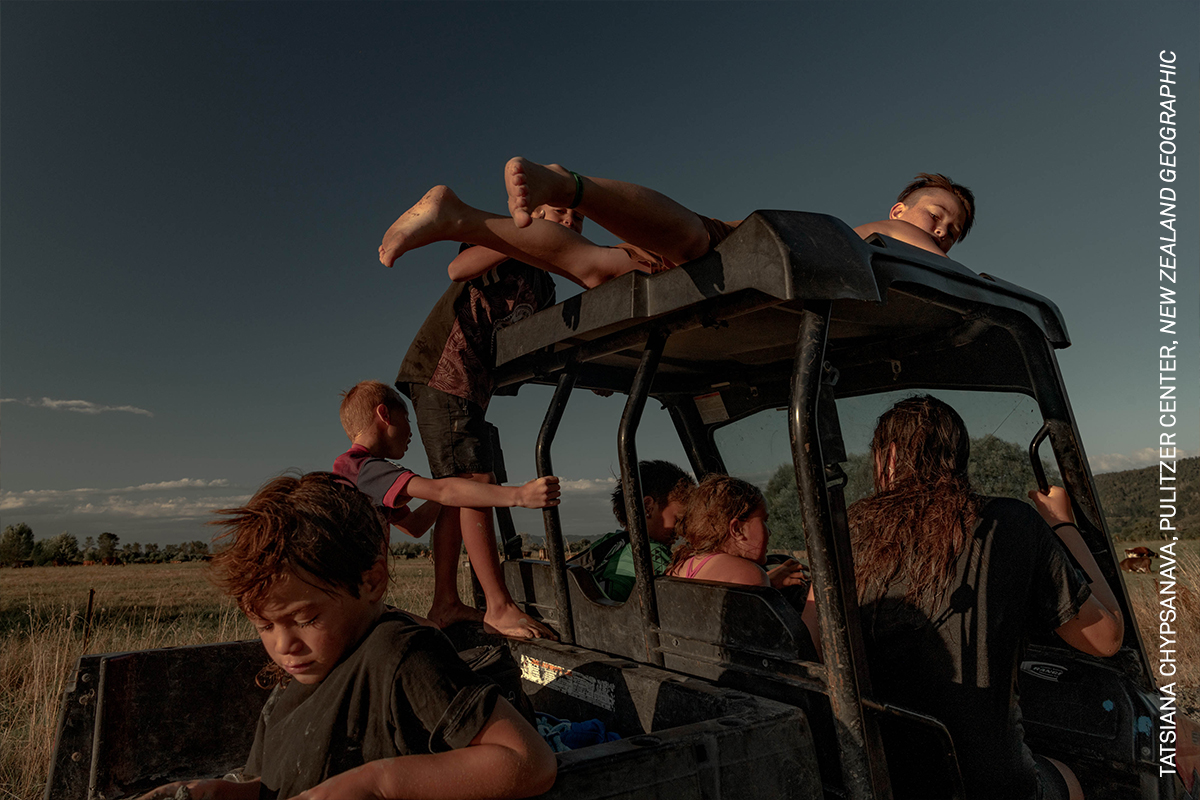
“I started working for Archives New Zealand, and that’s where I met representatives of Tūhoe, who were preparing for a settlement hearing. I was invited to Ruatoki in the Bay of Plenty and started photographing Tūhoe families living there. I continued to take photos of them for more than a decade.” It’s these photos that are now being seen on the worldwide stage at the World Press Photo Awards.
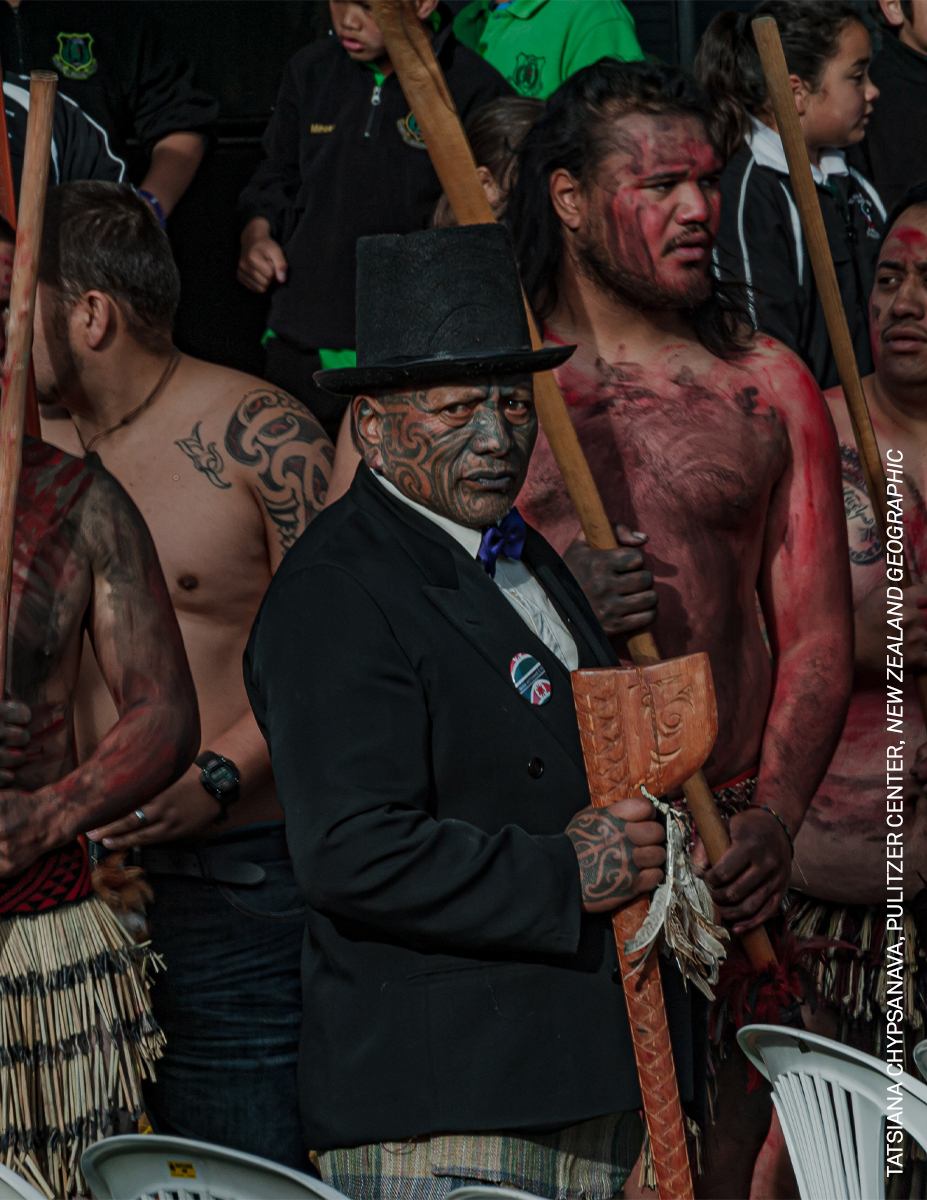
“These photos have been such a personal project for me – the Tūhoe people reminded me so much of my own closeness with family, and it’s been a foundational part of my own professional journey as a photojournalist,” says Tatsiana. “The Teepa whānau really embraced me and my daughter. Their aroha and manaaki, as well as their trust in me as a photographer when there was nobody else supporting my work, made us feel welcome and included. Tūhoe care about visitors very much, and they created a real connection for me and my daughter.”
Tatsiana moved to Nelson in 2016 when she was offered a job at the Nelson Provincial Museum. These days she takes the opportunity to promote her adopted homeland through her photographs as often as she can. “When my daughter was younger, we’d go out trekking and camping together which I loved here in Nelson. She’s 18 now, so she’s not as keen to do that with her mum anymore – but I have some amazing photos of her that have become our family album. She understands how lucky she is to have grown up here rather than in Belarus or Brazil.”
Since moving to Nelson, Tatsiana’s work has featured in exhibitions and publications worldwide, supported by the Pulitzer Center in Washington, published by the New York Times, WeTransfer and New Zealand Geographic. She is also a member of Diversify Photo and Women Photograph – groups that champion diversity in the photography industry. “It’s very hard to be a freelance photojournalist and a female – there aren’t very many of us in New Zealand,” she says. “I am passionate about what I do – it’s often a hard profession, and it’s not something that makes a lot of money – but for me it’s an obsession. I can’t not do it.”
Tatsiana is keen to share her knowledge and passion for photography with other women, and has mentored at intermediate schools in the past – something she’d like to do more of.
“I am incredibly grateful to be living in Nelson, doing a job that I love passionately,” she says. “I am very connected to nature here, and I believe we are very lucky to be here. I’m grateful to have had the opportunities I’ve had, and I feel now it’s my time to give back – to work with young people and show them that there are opportunities out there for women to follow their passion.”
Visit chypsanava.comto see more of Tatsiana’s work

