
The region is still recovering from the floods and is in the midst of lush spring growth, but local firefighters are warning it is time to get on top of that growth before it becomes a fire hazard.
Their warning comes as images of the Pigeon Valley fire, erected on the outside of the Nelson Fire Station, brings back memories of the battle to control it nearly seven years ago.
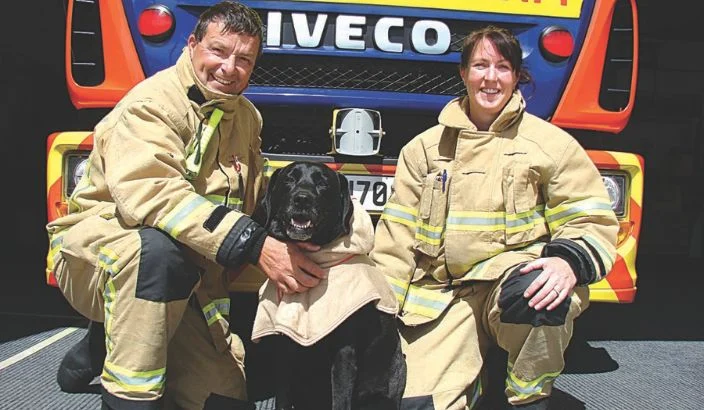
Wakefield Volunteer Fire Brigade chief Wattie Mortimer and new deputy Alana Shields say the wet, green grass and the winter floods give people a false sense of security - but it can all change quite quickly.
“We’ve had quite a wet winter and spring and people talk about the floods and not fires,” Wattie says. “But because it’s so wet and green we have so much fuel, and if it does dry out, there’s more chance of something starting. On Sunday, we had a grass fire in green grass – it’s already curing underneath.”
Alana says it will only take a month and the green growth may become dry and flammable, which is why it needs to be controlled before it gets to that stage.
Elsewhere around the country, there has already been a grass fire caused by a car exhaust that destroyed several cars and another fire, spread by wind, destroyed houses. Wattie says 97 per cent of wildfires in New Zealand are started by people, which means they can be prevented.
One of the lessons learnt from the Pigeon Valley fire, he says, is the risk of using machinery in high-risk areas in the heat of the day, once temperatures warm up.
“Do your activities early in the day when humidity is higher and avoid high-risk activities during extreme weather conditions.”
He says people can contact the brigade if they have questions and anyone considering lighting a fire should go to www.checkitsalright.nz to check before they light. As the weather heats up, Wattie advises people to clear out their guttering where embers can start fires, ensure firewood is not against houses, and look for birds’ nests in machinery.

