
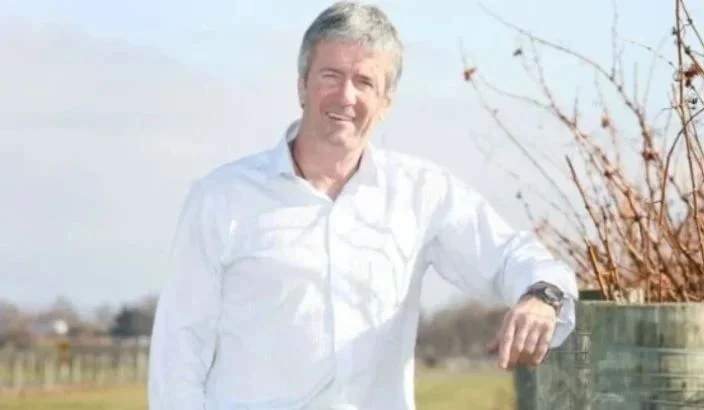
Damien O’Connor - Labour Party MP
Rainy days are treated with different levels of enthusiasm depending on what you do and where you are. Those on holiday prefer not to have them but farmers in Canterbury in summer welcome them. The truism is they will happen and not always when you want or need them. It is also true when it comes to not just biological systems but to markets and economic cycles. Like physics what goes up must come down. Warmer water means more rain. Higher prices often means a steeper decline when production has increased ahead of demand. And so, the cycles continue in spite of all our extra data and technology and communication.
This has always been the reality of farming life and business. Sometimes the cycles are longer and flatter, but production and prices inevitably bounce around. We can now mitigate some of the disruption with irrigation and futures markets. Over time the truth remains that costs creep up along with production efficiency. We stay ahead of the game or bail out.
Over the last few years, we have enjoyed some strong commodity prices and innovative sales into markets expanded by recent Free Trade Agreements. Dairy and Beef have been particularly good, but there are winds of change that should be noted. The decision by Fonterra shareholders to sell the consumer business to the French is a significant move. The money going to the shareholders is more than a bonus. It is a very substantive amount of hard-earned capital that any cooperative struggles to obtain in times of need - just ask Alliance shareholders.
So now the individual shareholders will have that capital rather than their collective entity. Obviously most think they can make better use of the capital and voted overwhelmingly for the sale. The real challenge will come when the next rainy day occurs.
The size and strength of Fonterra can and has assisted farmers through those tough times. Lower international prices, droughts, weather events and infrastructure failures have all been eased by the ability of the cooperative to intervene. Those needs will continue, but farmers must now consider how they will manage and mitigate these risks as individual operators. If the southern storm and wind event is a measure of farm readiness there is a lot of planning and investment urgently needed. Any multi-million dollar business without a $20k - 30k back-up generator is unprepared for the most basic disruption.
I hope the money that will flow from the Fonterra cooperative to the individual farmers will be wisely spent for the inevitable rainy day. While the taxpayer has been prepared to help those in need, self regulation, self assurance and self-help will be well tested into our uncertain future. Prepare well for the rainy days ahead. Even when they are dry.

